Tracing Operator Algorithms Behind Personalized Retention Rewards for Sustained Multi-Sport Wagers Across English Lower Leagues and All-Weather Tracks

Operators in the UK betting sector apply complex algorithms to deliver retention rewards that target sustained activity across English lower league football and all-weather horse racing tracks, and these systems draw on historical wager data, session patterns, and cross-sport correlations to adjust offers in real time. The approach focuses on League One, League Two, and National League fixtures alongside fixtures at tracks such as Lingfield, Kempton, and Wolverhampton, where racing continues year-round.
Data Inputs That Feed Retention Models
Betting platforms collect granular information from account activity including stake sizes, bet types, timing of wagers on midweek lower league matches, and selections involving all-weather runners with specific going preferences, while external data streams such as fixture schedules and weather reports supplement internal records. Segmentation engines then group users according to recency, frequency, and monetary value metrics before machine learning layers refine clusters further by detecting combinations like repeated accumulators on League Two draws paired with each-way bets on polytrack surfaces.
Research from the American Gaming Association shows that personalization engines in regulated markets process thousands of variables per user to predict churn risk, and similar techniques appear in UK operations that span multiple sports. July 2026 brings continued all-weather meetings during the flat racing summer lull alongside pre-season lower league friendlies, creating additional data points that algorithms incorporate to maintain engagement when primary seasons pause.
Algorithmic Techniques in Use
Decision trees and neural networks rank offer eligibility by scoring predicted lifetime value against projected retention lift, and reinforcement learning components test variations of bonus structures such as enhanced odds on specific goal margins or insurance on photo-finish places. These models update nightly using feedback loops that measure whether a free bet on an all-weather handicap increased subsequent football accumulator volume or whether a cashback trigger on a narrow League One defeat prompted repeat multi-sport activity the following week.
Observers note that operators often integrate these systems with customer relationship management platforms to trigger tiered rewards automatically once thresholds are met, and the process avoids manual intervention for most routine cases. Data compiled by the Responsible Gambling Council in Ontario indicates that algorithmic segmentation can increase repeat engagement rates by measurable margins when applied across diverse product verticals, a pattern reflected in multi-sport betting environments.
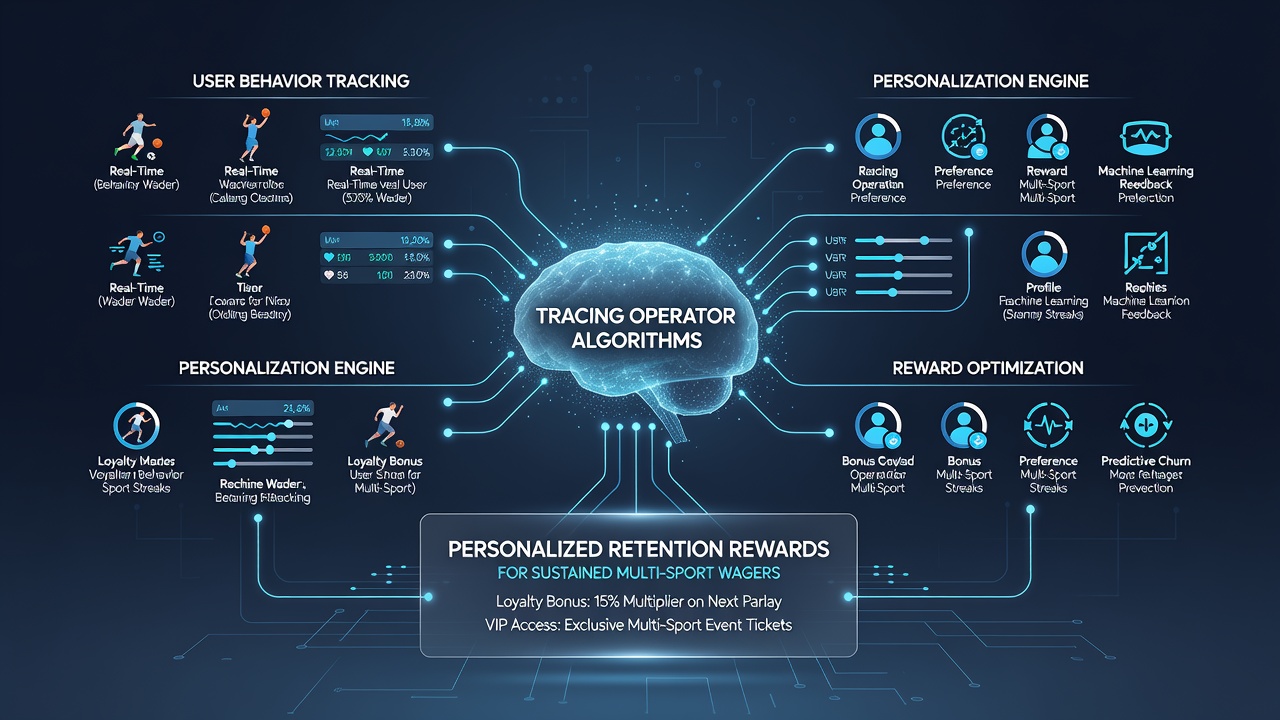
Multi-Sport Wager Targeting Examples
One common pattern involves users who place combined bets on League Two matches and all-weather sprints receiving tailored reload credits that scale with average stake levels, and the algorithms prioritise offers that bridge the two sports rather than isolating them. Another layer detects sequences where a user shifts from ante-post football markets to live in-play racing bets during the same session, then surfaces personalised insurance products for close finishes or narrow goal margins to extend session length.
Platforms adjust these incentives dynamically based on current fixture density, so periods with overlapping lower league midweeks and evening all-weather cards generate denser reward distributions. External regulatory reports from the Australian Communications and Media Authority highlight how cross-product personalisation maintains activity across seasonal transitions, providing a parallel to the English market where lower league campaigns and all-weather schedules rarely align perfectly.
Operational Deployment and Monitoring
Technical teams deploy these algorithms within secure cloud environments that comply with data protection standards, and continuous A/B testing measures uplift in wager volume and retention duration for each cohort. Teams monitor for over-triggering that might reduce perceived value, while compliance layers ensure offers remain within responsible gambling parameters by capping maximum personalised rewards per account.
Those who study industry technology note that integration with live odds feeds allows rewards to update within minutes of market movements, such as when a late team news change affects a lower league line-up or when track conditions shift at an all-weather venue. This responsiveness helps sustain multi-sport sequences that span an afternoon racing card and an evening football fixture.
Conclusion
Operator algorithms for personalised retention rewards continue to evolve in response to wager patterns across English lower leagues and all-weather tracks, relying on layered data analysis and adaptive modelling to maintain activity levels throughout the calendar year. The systems process inputs from both sports simultaneously, apply predictive scoring to time offers effectively, and operate under established regulatory frameworks that shape their deployment. As fixture calendars shift into July 2026 and beyond, these algorithmic approaches remain central to how platforms structure ongoing engagement across the two betting verticals.