Tracing Algorithmic Offer Adjustments in Mobile Interfaces for Continental Soccer Leagues and Point-to-Point Meetings
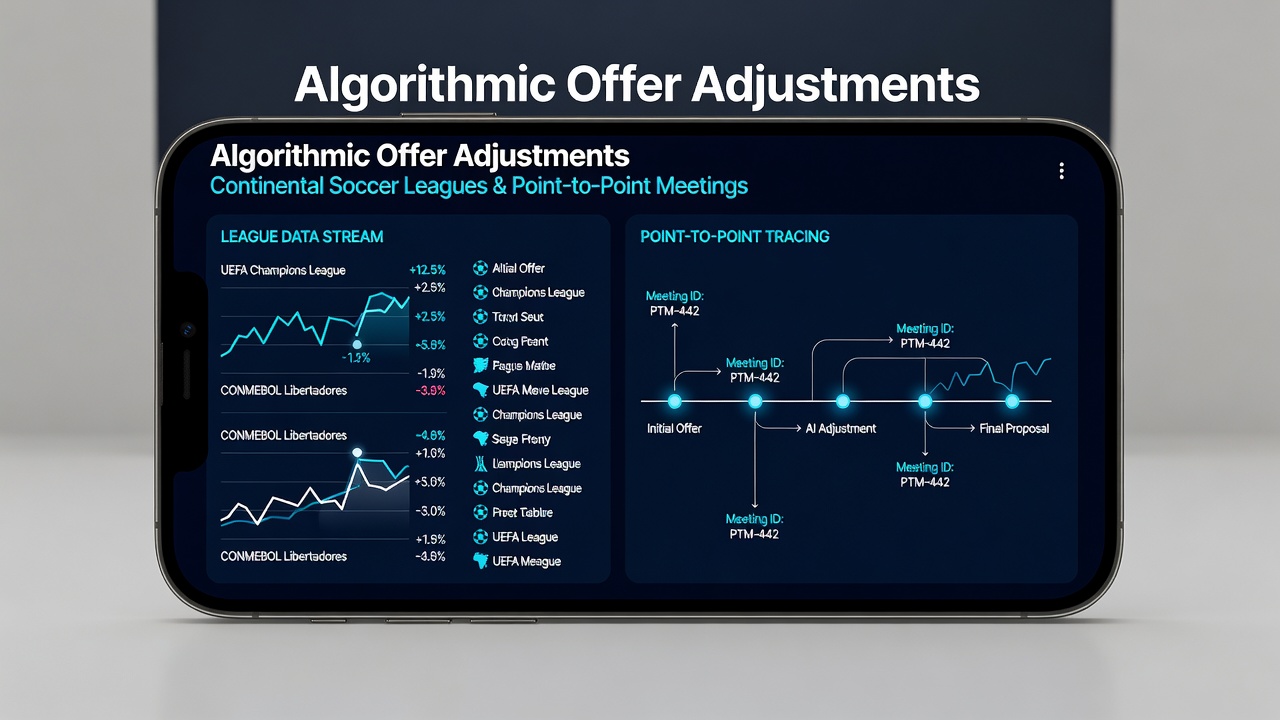
Algorithmic systems in mobile betting platforms track user interactions and event data to modify promotional offers across continental soccer leagues and point-to-point racing calendars. These adjustments occur through backend processes that analyze variables including match timing, team performance metrics, and rider participation lists, then apply changes to displayed bonuses or odds within seconds of data input.
Core Mechanisms Behind Offer Modifications
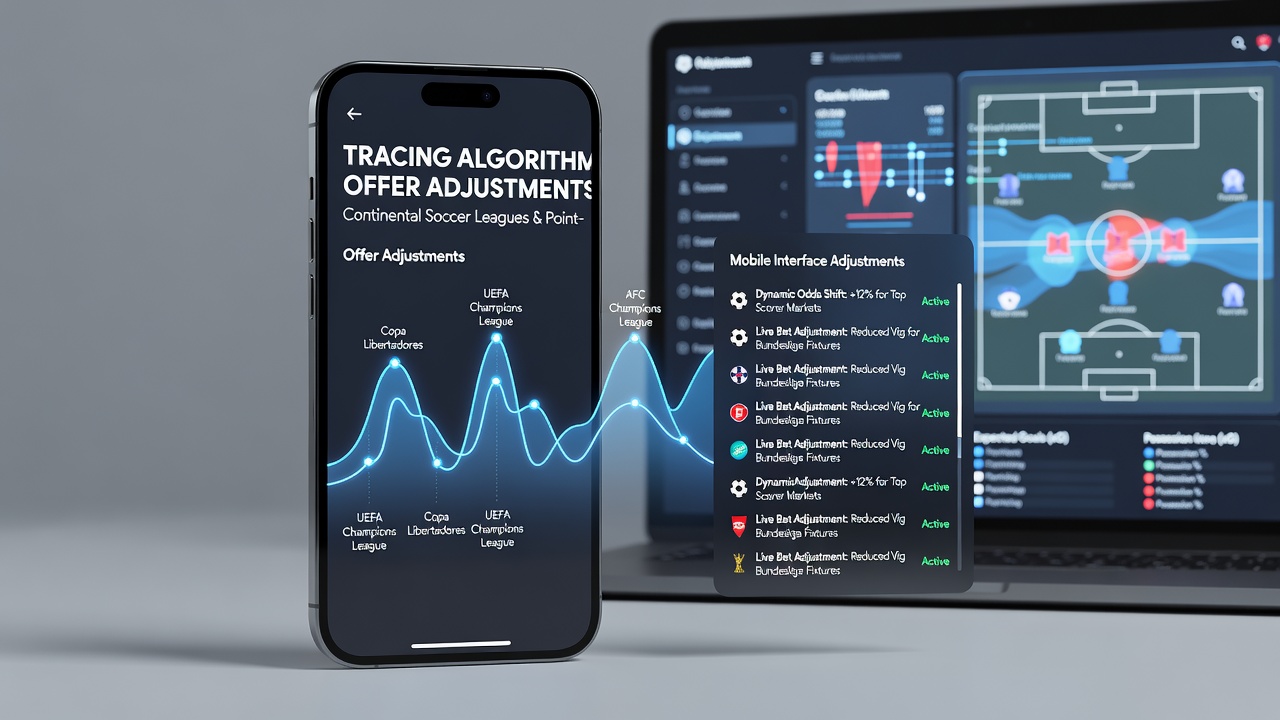
Developers integrate machine learning models that process live feeds from leagues such as the Bundesliga, Serie A, and La Liga, where goal probabilities and possession statistics trigger recalibrations of free bet amounts or accumulator enhancements. Similar logic applies to point-to-point meetings, where course conditions and horse form data prompt shifts in each-way terms or money-back thresholds during the afternoon card.
One platform operator documented in industry reports reduced its introductory bonus for certain Serie A fixtures by 15 percent after early goal tallies exceeded projected averages, while point-to-point events in rural circuits saw stake limits lowered when multiple favorites appeared in consecutive races. These modifications rely on API connections that pull fixture schedules weeks ahead, then layer real-time telemetry once matches or meetings commence.
Regional Patterns in Continental Soccer Applications
Observers tracking German and Italian domestic campaigns note that algorithms often elevate cash-out incentives during midweek rounds when travel fatigue affects away sides, whereas Spanish league interfaces adjust acca insurance triggers more aggressively around high-attendance derbies. Data compiled by research groups at institutions including the University of Melbourne indicates that mobile sessions lasting under four minutes receive fewer dynamic reload offers than longer engagements, regardless of league.
By July 2026, several operators introduced seasonal overlays tied to European summer tournaments, allowing the same adjustment engines to extend offer windows for pre-season friendlies that feed into autumn continental schedules. The changes appear as push notifications that reference updated player availability lists, and they frequently coincide with weather forecasts affecting pitch conditions at venues across multiple countries.
Adjustments Specific to Point-to-Point Circuits
Point-to-point events, which feature amateur riders over natural terrain, present distinct data inputs such as ground firmness ratings and historical completion rates for particular fences. Algorithms respond by scaling refund percentages when entries exceed average field sizes or by introducing time-limited double-up features when meetings run behind schedule due to earlier delays.
One documented case from a French regional circuit showed an interface automatically converting a standard each-way promotion into a place-only variant after three consecutive non-completions in the preceding race, a move that aligned with updated statistics released by racecourse officials twenty minutes before the next off. Mobile users accessing the same event from different regions encountered staggered offer visibility windows, suggesting geolocation parameters further refine the algorithmic output.
Monitoring and Transparency Tools
Independent analysts employ browser extensions and screen-capture scripts to log timestamped offer states across multiple devices, creating datasets that reveal how frequently parameters shift within a single match or meeting. European regulatory bodies such as the Malta Gaming Authority have referenced similar logging practices in guidance documents that encourage operators to maintain audit trails for promotional mechanics.
These records show that continental soccer offers typically experience between two and five adjustments per fixture when markets remain open, whereas point-to-point promotions may update only once or twice unless weather intervenes. Researchers cross-reference these patterns against publicly available fixture lists and official result feeds to isolate the influence of algorithmic rules from manual overrides.
Cross-League Comparisons and Data Sources
Figures from a collaborative report issued by the European Gaming and Betting Association highlight that Bundesliga mobile interfaces apply offer reductions more rapidly than their counterparts in the Portuguese Primeira Liga, a difference attributed to higher volume of live statistical inputs available during German matches. Point-to-point circuits operating under Irish and British calendars demonstrate comparable speed in adjusting novice rider incentives when debutants post strong early times.
Users attempting to trace these movements often combine public match trackers with archived app screenshots, producing timelines that map offer lifecycles against actual events on the pitch or course. Such methods have become standard in academic examinations of digital gambling interfaces published through outlets like the Journal of Gambling Studies.
Conclusion
Algorithmic offer adjustments in mobile environments for continental soccer and point-to-point racing continue to evolve through integration of additional data streams and refined model training. Continued observation of these systems provides measurable insights into how platforms respond to the distinct rhythms of league calendars and amateur racing schedules without requiring subjective interpretation of intent.