Timing Mechanisms Behind Progressive Incentives for Multi-Leg Wagers in Televised Athletic Contests
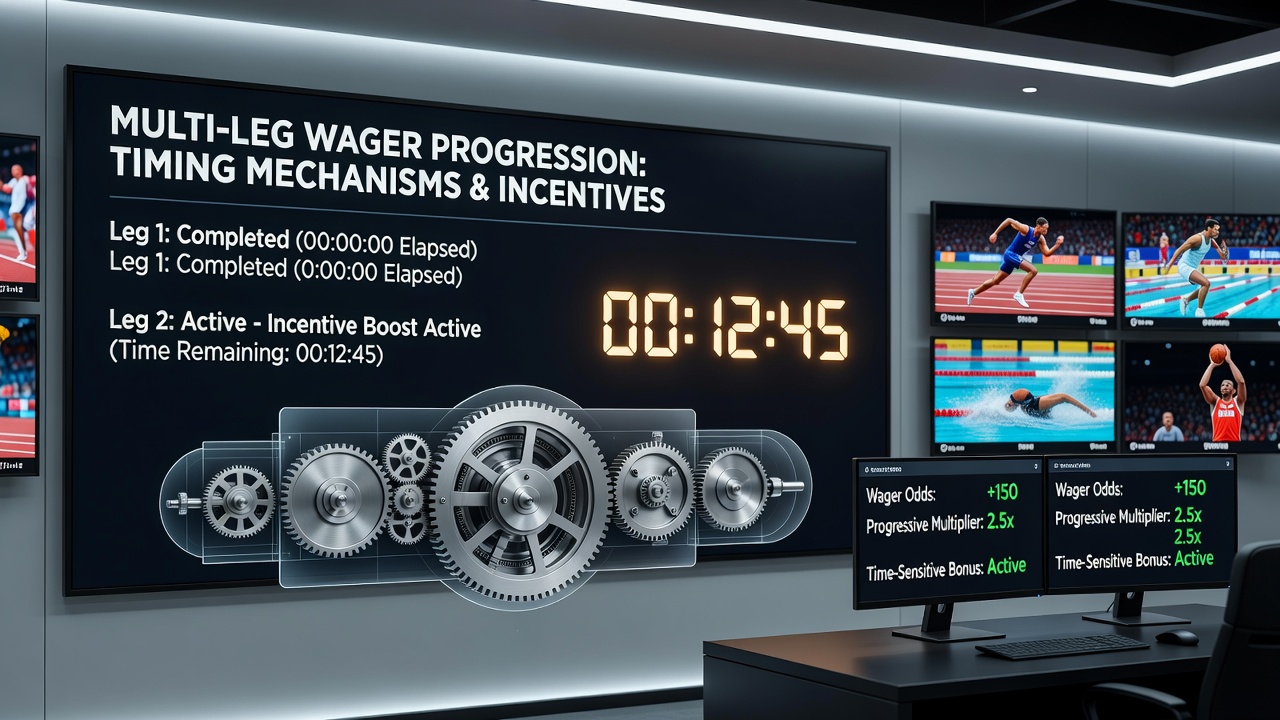
Progressive incentives for multi-leg wagers operate through coordinated timing systems that align bonus triggers with live event progression in televised athletic contests; these mechanisms rely on synchronized data feeds that monitor match clocks, score updates, and broadcast schedules to adjust reward structures in real time. Operators deploy software platforms that track each leg completion against predefined intervals, releasing incremental enhancements such as boosted payouts or additional free stakes once certain temporal thresholds pass during events like football matches or basketball games. Data from regulatory analyses indicate that such systems process thousands of simultaneous wagers per minute while maintaining compliance with jurisdictional rules on dynamic odds adjustments.
Core Components of Timing Architectures
Central servers integrate with official league timing devices and television production timelines so that incentive progression follows exact sequences rather than arbitrary points; for instance a four-leg accumulator might unlock its first tier after the initial 15 minutes of broadcast time, then escalate at half-time markers or after the third leg resolves in a later fixture. Researchers at institutions including the University of Nevada Reno Gaming Research Center have documented how these layered protocols reduce latency between event occurrence and bonus activation to under three seconds in most deployments. Observers note that integration with streaming metadata allows platforms to verify television viewership windows and prevent premature or delayed payouts that could violate terms set by state or provincial gaming authorities.
Application in Multi-Leg Structures
Multi-leg wagers benefit from progressive scaling because each successive outcome extends the overall duration window and triggers subsequent incentive layers; in July 2026 during the FIFA World Cup group stages, timing engines coordinated across multiple time zones adjusted bonus ladders according to match start times and cumulative leg completions rather than static calendars. Industry reports from the Canadian Centre for Gaming Research show that operators using millisecond-level synchronization achieved higher retention rates during extended tournaments because users received visible progress indicators tied directly to on-screen clocks. Those who analyze these frameworks point out that conditional bonuses often include fail-safes that pause progression during broadcast interruptions such as VAR reviews or weather delays, preserving fairness across all participants.
Integration with Broadcast and Data Feeds
Televised athletic contests supply the primary data backbone for these mechanisms through official timing partners that feed real-time statistics into betting platforms; this creates a closed loop where visual confirmation on screen matches backend calculations for progressive rewards. Experts have observed that platforms incorporate redundant verification steps using both league APIs and independent timing services to guard against discrepancies that could arise from regional broadcast variations. During high-volume periods such as international tournaments, the systems scale horizontally across cloud infrastructure while maintaining sub-second response times for users placing or settling accumulators.
Regulatory and Technical Safeguards
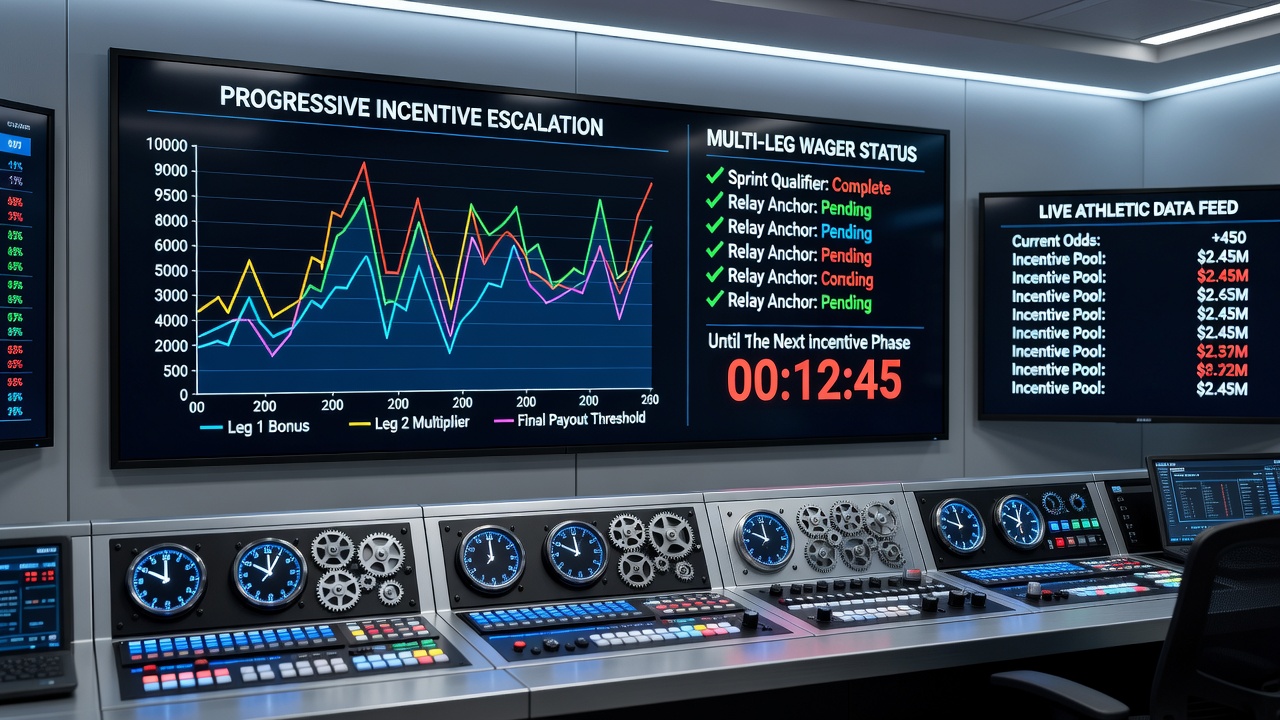
Gaming commissions in multiple jurisdictions require detailed logging of every timing event that influences incentive delivery so that audits can reconstruct sequences long after events conclude; these logs capture clock stamps, data source identifiers, and payout calculations in immutable formats. Technical teams employ predictive algorithms that forecast potential progression paths based on historical match durations, allowing preemptive resource allocation ahead of peak viewing hours. Studies from the Australian Gambling Research Centre highlight that transparent timing disclosures help maintain user trust because bettors can independently verify when each incentive tier became available relative to the televised timeline.
Future Developments in Synchronization
Emerging technologies such as blockchain timestamping and edge computing nodes promise further reductions in processing delays for progressive multi-leg systems; early trials conducted in 2025 demonstrated consistent sub-second confirmations across continental networks. Operators continue refining these architectures ahead of major 2026 calendars because extended tournament formats create longer chains of legs that demand precise temporal management. Data indicates sustained investment in these mechanisms correlates with measurable improvements in settlement accuracy during live windows.
Conclusion
Timing mechanisms that power progressive incentives for multi-leg wagers continue evolving alongside advances in broadcast technology and data integration standards. These systems ensure that rewards scale in lockstep with event progression across televised athletic contests while adhering to established regulatory frameworks. Observers tracking developments through 2026 note ongoing refinements that prioritize both operational precision and user transparency in multi-leg environments.