The Hidden Mechanics Behind Tiered Loyalty Programs in British Betting Platforms for Persistent Multi-Sport Participants
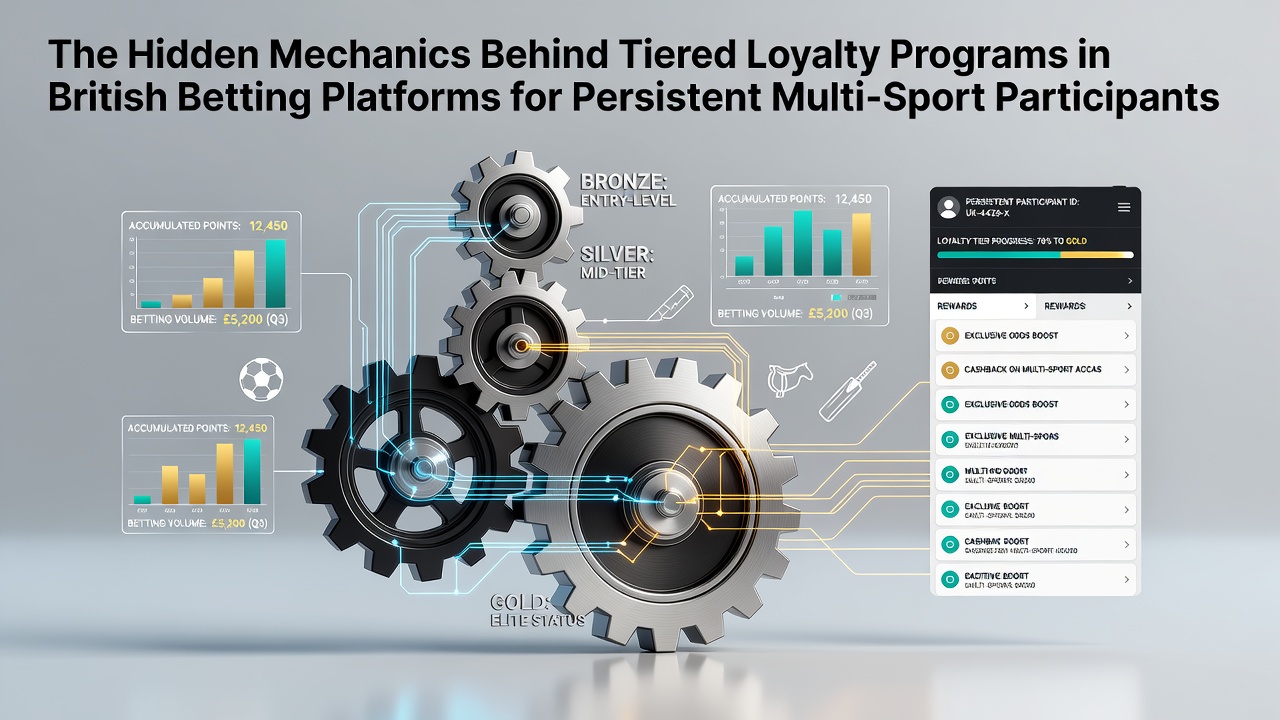
British betting platforms operate tiered loyalty programs that reward persistent participants who engage across football, horse racing, tennis, and other sports, with structures built around points accumulation, tier thresholds, and segmented rewards that vary by activity type and volume.
These systems track betting behavior through internal algorithms that assign different point values depending on the sport, stake size, and odds range, which creates pathways for multi-sport users to advance faster than single-sport bettors in many cases.
Core Structure of Tier Systems
Entry-level tiers typically begin at registration or after a minimal deposit and bet threshold, while higher tiers unlock after reaching cumulative points targets that reset on annual or quarterly cycles; observers note that platforms often set football bets at baseline point rates whereas horse racing and live tennis wagers receive multipliers during peak seasons, which encourages diversification among dedicated participants.
Progression mechanics rely on both total points and frequency metrics, so a user placing steady accumulators on Premier League matches alongside each-way bets at summer festivals can cross into mid-tier status more efficiently than someone focused on one market alone.
Points Allocation and Sport-Specific Variables
Calculation formulas factor in stake amounts, bet types, and sometimes margin contributions, yet the weighting remains opaque to participants until they review detailed terms; data from industry reports shows that accumulator bets spanning two or more sports frequently earn bonus multipliers, while single-sport in-play wagers accrue at standard rates unless tied to promotional windows.
Persistent multi-sport participants therefore monitor these differentials to optimize their activity, since a balanced portfolio across domestic football leagues and flat racing meetings can accelerate point totals without requiring larger individual stakes.
Retention Triggers and Hidden Thresholds
Many platforms embed quiet requirements such as minimum monthly activity across categories or specific bet counts within a tier period, which means users who pause after reaching a new level risk demotion even if their lifetime points remain high; research indicates that these rules appear in fine print rather than marketing materials, so those who study the full rule sets maintain steadier progress.
July 2026 brings additional layers during the transition from flat racing to jumps season and the start of new football campaigns, when platforms adjust point bonuses for cross-sport combinations to sustain engagement through quieter mid-summer weeks.
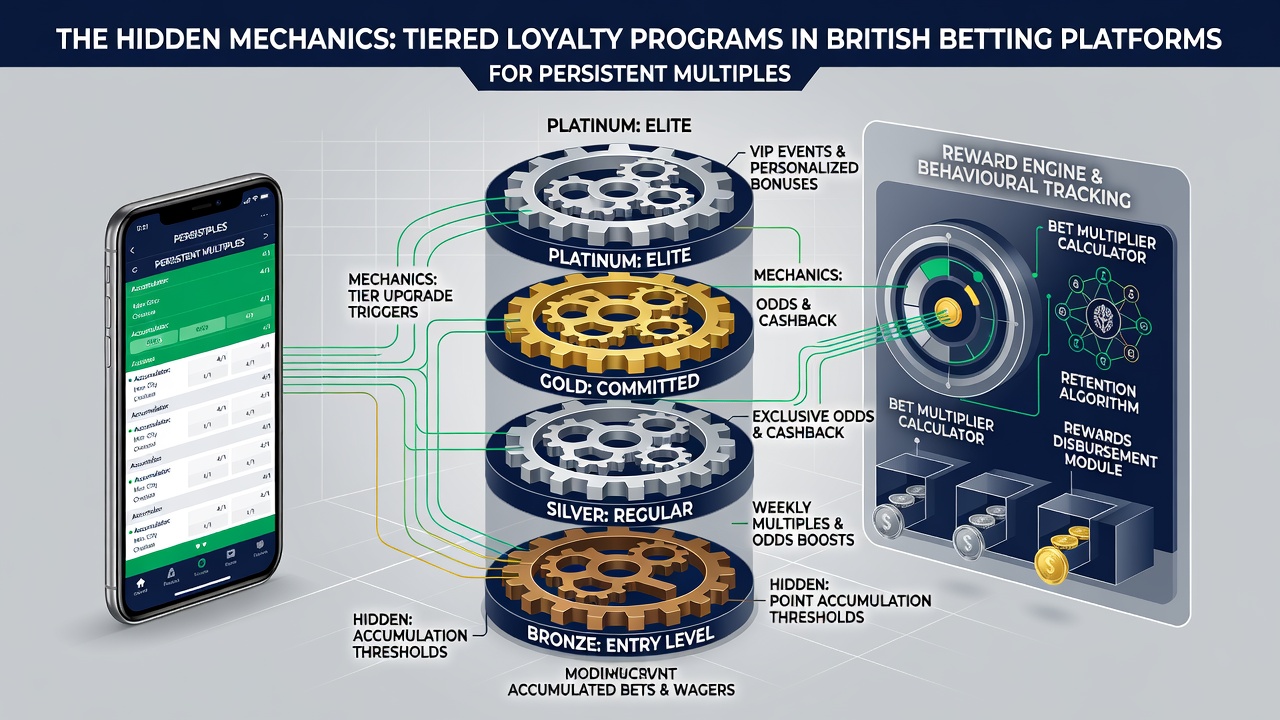
Expiration policies on accumulated points further influence behavior, since unused balances often vanish after set inactivity periods that align with calendar quarters rather than user anniversaries.
Reward Delivery and Value Realization
Higher tiers grant access to enhanced cashback percentages, exclusive free bet bundles, and personalized acca insurance that scales with tier status, while lower tiers receive generic reloads; according to figures from the Responsible Gambling Council, participants who spread activity across sports report higher redemption rates for tier benefits compared with those who remain in single categories.
Case examples from platform data reveal that users combining Premier League goalscorer bets with festival each-way selections reach top tiers within six months when they maintain consistent volume, whereas football-only patterns require larger stakes to match the same progress.
Regulatory Context and Transparency Requirements
British platforms must publish basic tier rules under existing licensing frameworks, yet detailed point formulas and sport weightings often stay internal; a study published by the Australian Institute of Criminology on international loyalty mechanics highlights how variable multipliers can obscure true reward values until participants reach higher levels.
Those who track their own betting logs against published tier ladders gain clearer visibility into advancement speed, particularly when multi-sport strategies align with seasonal promotions that boost points during major racing festivals and international football breaks.
Conclusion
Tiered loyalty programs in British betting platforms function through layered points systems that reward diversified, persistent participation across sports, with mechanics that include variable multipliers, frequency requirements, and seasonal adjustments visible in July 2026 schedules. Participants who examine allocation rules and maintain activity across categories navigate these structures more effectively than those limited to single markets.