The Evolution of In-Play Promotional Features Across Smartphone Interfaces for Dynamic Odds Adjustments in Popular Sports
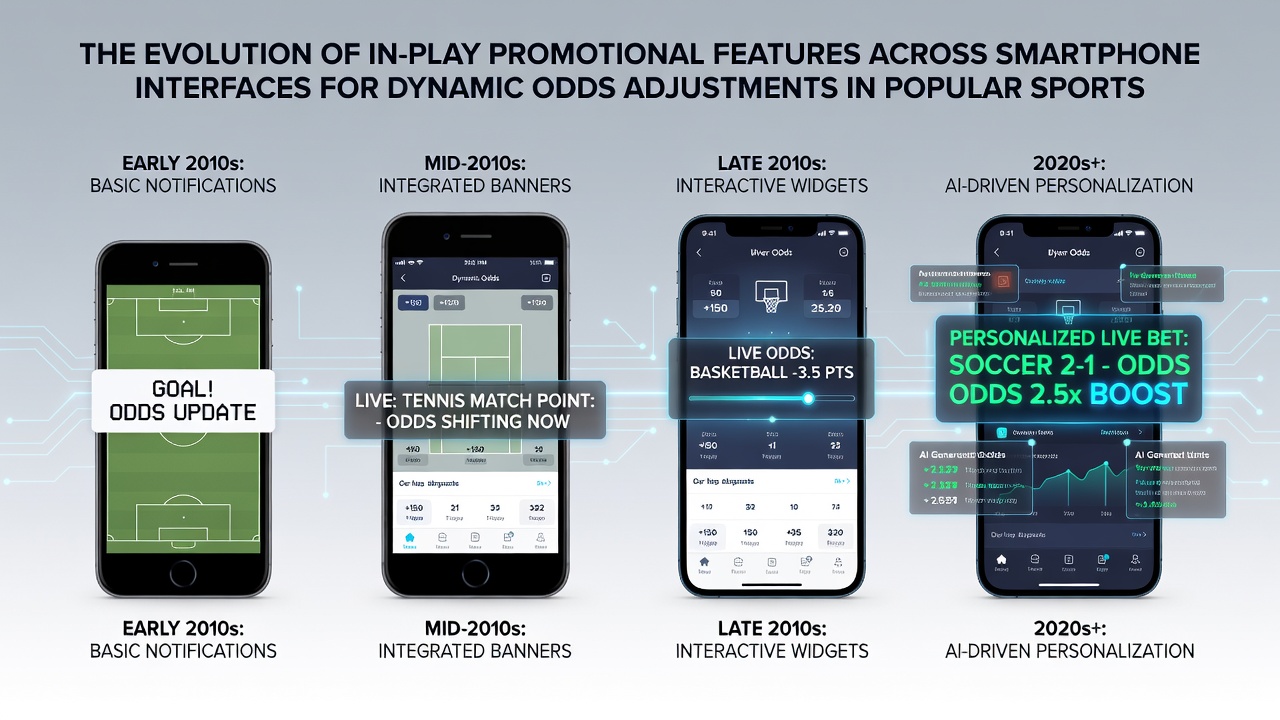
Smartphone interfaces have transformed how promotional features integrate with live sports betting since the early 2010s, when basic mobile apps first allowed users to place wagers during matches in football, tennis, and basketball. Early systems relied on simple text updates and fixed odds displays, yet developers quickly recognized the need for real-time adjustments as data from matches flowed in through APIs. By 2015 several platforms introduced swipe gestures that let bettors activate promotions tied to shifting probabilities, and this marked a shift from static listings toward interactive elements that responded to game events like goals or serves.
Initial Mobile Adaptations and Interface Basics
Developers started with responsive web designs that mirrored desktop versions, but hardware limitations on early smartphones restricted how quickly odds could refresh during play. Touch targets were large and menus nested deep, which slowed access to promotional triggers such as boosted multipliers or cash-out options. Research from industry analysts showed that average session times increased once interfaces added pull-to-refresh mechanics and push notifications for live odds changes. Those who studied user behavior noted that football matches generated the highest volume of in-play adjustments because goals created immediate probability swings that promotions could highlight through color-coded banners on the screen.
Advancements in Dynamic Adjustments
Dynamic odds adjustments became more precise once smartphone processors handled complex algorithms locally, reducing latency from server calls. Interfaces evolved to include gesture-based controls where a long press on a selection opened a panel showing promotional overlays that updated as match statistics changed. In tennis, for example, systems adjusted serve-win probabilities in real time and surfaced related bonuses without requiring users to navigate away from the live score feed. Data from 2024 deployments indicated that apps incorporating accelerometer inputs for quick bet confirmations saw higher engagement rates during fast-paced segments of basketball games. What's interesting is how these features spread to other sports, with horse racing platforms adding track-condition sensors that influenced odds displays on mobile dashboards.
Integration with Popular Sports and 2026 Developments
Football remained central to interface refinements because its continuous flow of events aligned well with promotional timing windows. Interfaces now feature split-screen modes that keep match video alongside adjustable odds panels, and users can drag sliders to modify stake amounts while promotions recalculate payouts instantly. By July 2026 several major operators had rolled out AI-assisted suggestion engines that highlighted dynamic promotions based on historical patterns in specific leagues, all rendered through compact widgets that fit varied screen sizes. Observers note that basketball apps adopted similar layouts with quarter-by-quarter breakdowns, allowing bettors to activate in-play boosts tied to player performance metrics that updated every possession. The result was a more seamless connection between live data streams and promotional activation points across different device orientations.
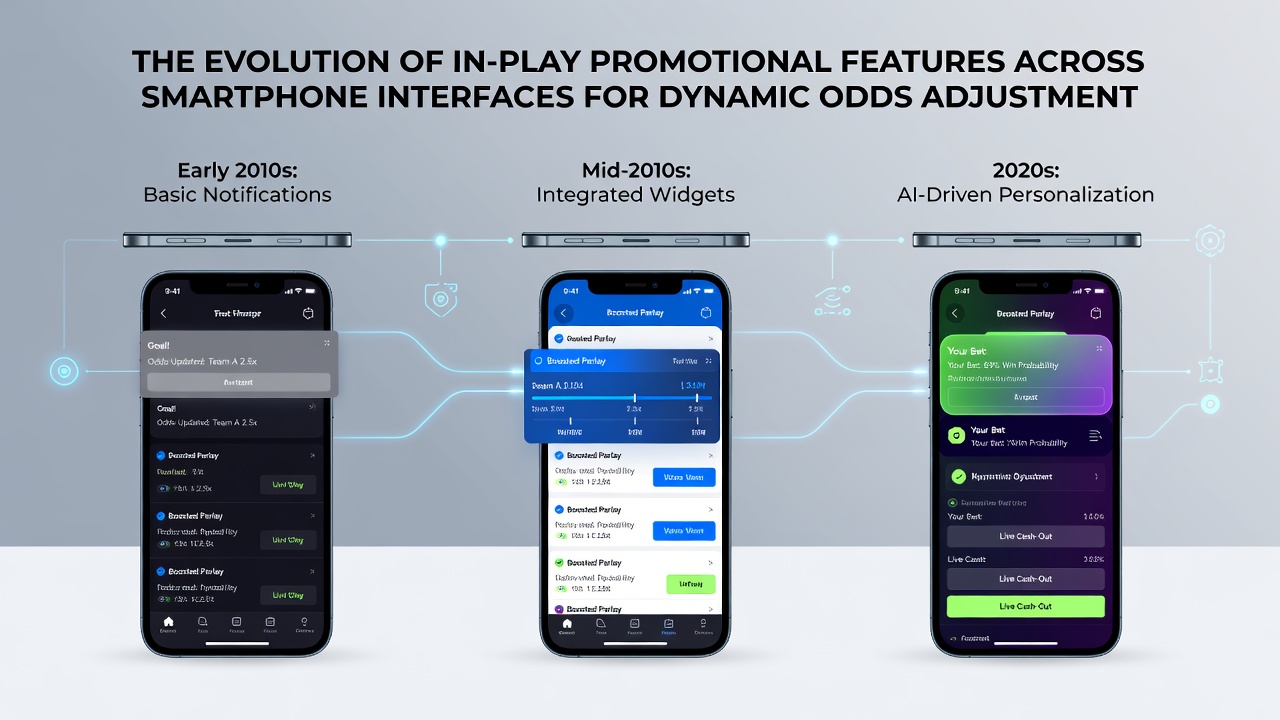
Regulatory frameworks in various regions influenced these interface changes by requiring clear disclosure of how odds shifted during promotions. A report from the Pennsylvania Gaming Control Board documented the adoption rates of mobile-specific tools that automated compliance checks as odds moved. Similarly, findings from the Australian Communications and Media Authority highlighted how regional platforms adapted interfaces for local sports like cricket, where ball-by-ball updates triggered corresponding promotional recalibrations. These adaptations ensured that dynamic features remained accessible while meeting transparency standards across markets.
Future Interface Trends and Technical Shifts
Emerging trends point toward greater use of augmented overlays that project odds adjustments directly onto live video feeds within the app. Developers continue testing voice commands for activating promotions during high-action moments when manual input becomes impractical. Studies of user interaction patterns reveal that shorter confirmation sequences reduce missed opportunities in fast-evolving scenarios such as penalty shootouts or final-set tiebreaks. Hardware improvements including higher refresh-rate displays have further supported smoother visual transitions when odds change, creating a more fluid experience that aligns promotional timing with actual game progression. Those who've examined app analytics across multiple seasons observe consistent growth in feature utilization as interfaces incorporate predictive elements drawn from aggregated match data.
Conclusion
The progression of smartphone interfaces for in-play promotions demonstrates a steady move toward tighter integration between live sports data and dynamic odds tools. From basic refresh mechanisms to advanced gesture and AI-driven systems, each stage built on prior capabilities to support more responsive adjustments across football, tennis, basketball, and other popular events. Continued hardware and software refinements suggest these features will keep evolving in line with both technological possibilities and regulatory expectations worldwide.