Seasonal Adjustments in UK Bookmaker Reward Structures for Football Double Chance Markets and National Hunt Chase Events
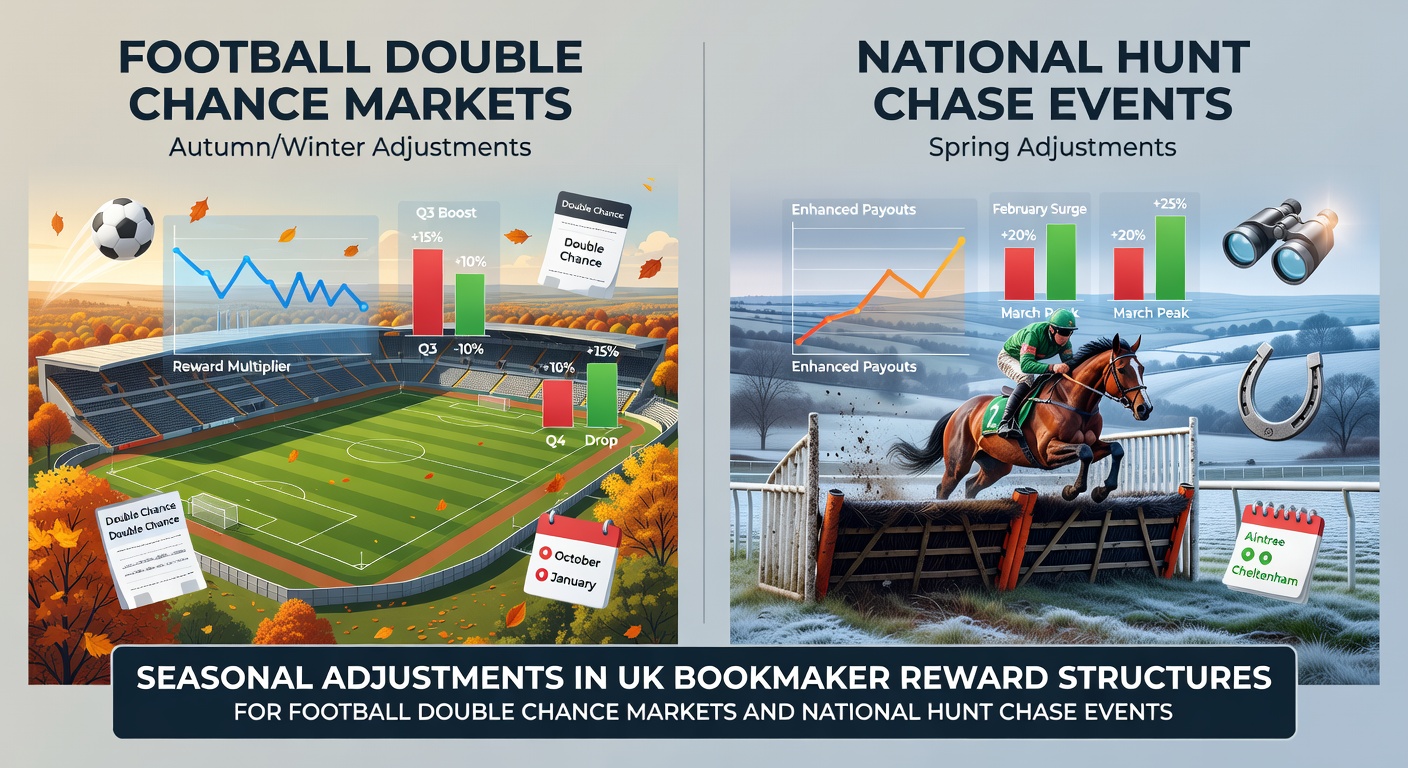
UK bookmakers routinely modify their promotional offerings as football seasons wind down and national hunt calendars shift into quieter periods; these changes often target double chance markets, where bettors receive payouts on home wins, away wins, or draws, alongside chase events that feature steeplechase formats over jumps courses. Data from industry tracking services shows reward structures tighten or expand based on fixture density, with operators reallocating free bet pools toward high-volume periods like autumn jumps campaigns and spring football run-ins.
Patterns in Football Double Chance Promotions
Football double chance wagers attract steady interest across the Premier League and EFL divisions because they reduce risk compared to outright win selections. Bookmakers adjust associated bonuses during May when domestic leagues conclude major campaigns, often introducing enhanced odds or cashback schemes that apply specifically to remaining cup ties and pre-season friendlies. Observers note these tweaks coincide with lower overall betting volumes, prompting operators to offer staggered reward tiers that reward repeat participation on double chance lines rather than standard match winner markets.
Operators track fixture congestion through the winter months, then recalibrate during late spring to maintain engagement levels; this includes extending qualifying periods for accumulator bonuses that incorporate double chance selections from multiple leagues. Figures from European betting analysis groups indicate that such adjustments help stabilize handle during transitional weeks when top-flight attention moves toward international tournaments and summer transfers.
National Hunt Chase Event Adjustments
National hunt chase schedules run primarily from October through April, with major festivals at Cheltenham and Aintree driving peak activity. When these events conclude, bookmakers shift focus toward summer flat racing yet retain targeted incentives for ante-post chase bets on the following season's novice and handicap contests. Reward structures frequently include place insurance or free bet refunds tied to specific chase distances, with operators publishing updated terms each May that reflect ground condition expectations and trainer patterns observed in prior campaigns.
Those monitoring racing data note that bookmakers reduce chase-specific promotions during the height of summer before rebuilding them ahead of autumn returns; this cycle aligns with horse preparation schedules and allows platforms to introduce loyalty multipliers for customers who backed chasers in the previous winter. Industry reports highlight how these seasonal resets prevent oversaturation while preserving appeal for dedicated jumps followers.
Integration of Rewards Across Both Markets
Some operators combine football and racing incentives within single promotional calendars, particularly around bank holiday weekends in May when lingering football interest overlaps with early summer racing cards. Customers encounter cross-category offers that pair double chance accumulators from European leagues with national hunt preview bets, creating unified reward ladders that unlock additional free bets after hitting volume thresholds in either sport.
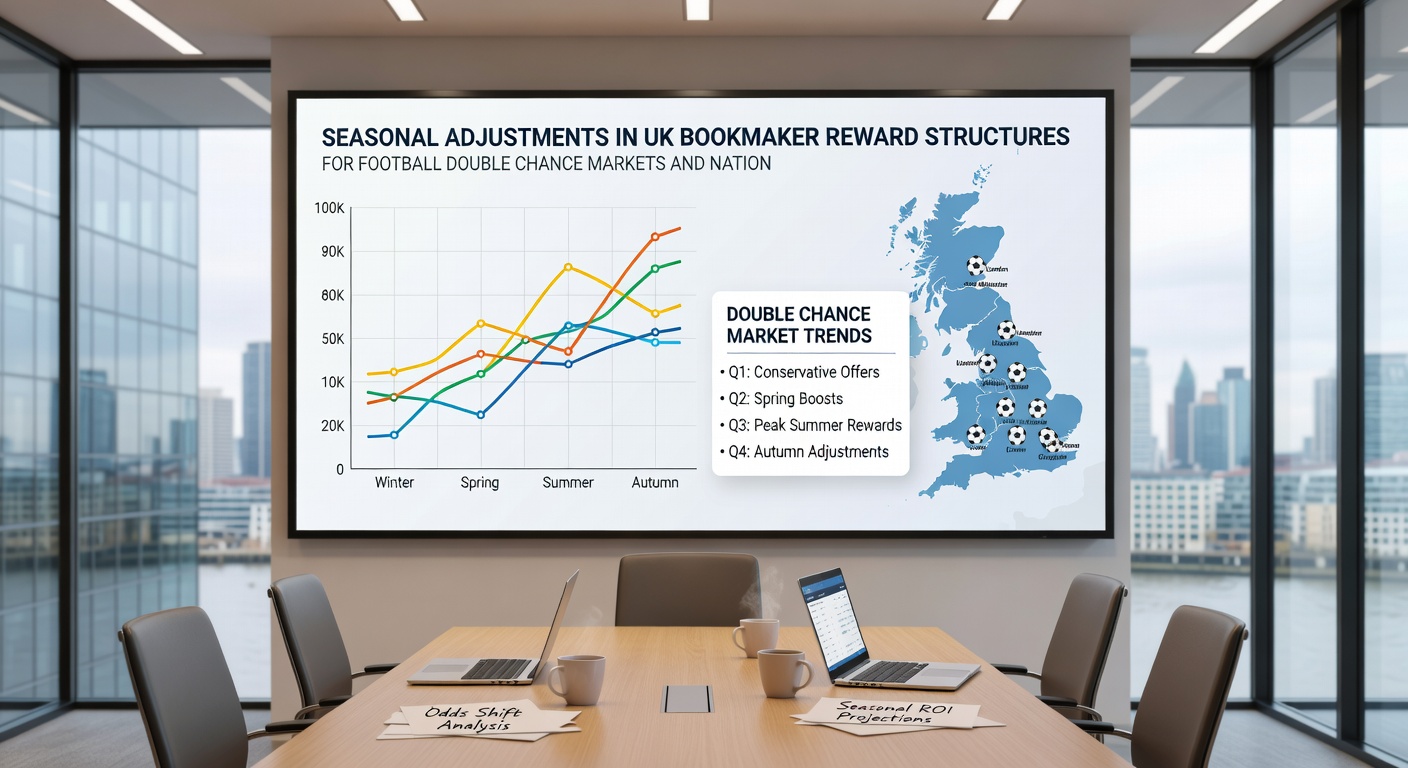
Regulatory updates from bodies such as the Australian Gambling Research Centre have prompted UK platforms to refine transparency around these seasonal offers, ensuring terms for double chance and chase promotions remain clearly stated during transition months. Operators respond by publishing revised eligibility rules that account for weather impacts on chase events and fixture postponements common in football.
Impact on Customer Engagement Strategies
Research from North American gaming institutes shows seasonal reward recalibrations influence participation rates, with double chance football markets seeing increased uptake when paired with racing cashback during shoulder periods. UK bookmakers apply similar logic by extending qualifying windows for national hunt chase bonuses into early May, allowing bettors to lock in value on long-range ante-post selections while football seasons conclude.
Platforms monitor real-time data on market liquidity, then deploy targeted reload bonuses that favor double chance combinations from lower leagues alongside novice chase wagers; this approach maintains activity across both verticals without requiring separate campaigns. Observers tracking these movements report that operators often test variations in stake thresholds and payout caps to balance risk exposure during quieter intervals.
Future Outlook for May 2026 Adjustments
Looking ahead to May 2026, bookmakers are expected to refine existing frameworks further by incorporating live tracking tools that adjust double chance rewards based on in-season performance metrics and chase event entries confirmed after major festivals. These updates will likely emphasize mobile-first delivery, with operators publishing revised terms that reflect evolving patterns in both football scheduling and jumps racing calendars.
Industry associations continue to publish comparative analyses of how seasonal structures evolve year to year, providing benchmarks that help operators align promotions with broader market trends. Bettors who follow these cycles gain clearer visibility into when enhanced terms become available for specific double chance and national hunt selections.
Conclusion
Seasonal adjustments in UK bookmaker reward structures continue to shape how double chance football markets and national hunt chase events are promoted throughout the year. Operators respond to fixture calendars and racing schedules by recalibrating bonuses, insurance features, and loyalty tiers at predictable intervals, particularly around May transitions. These practices maintain engagement across both sports while adapting to regulatory expectations and customer behavior patterns observed through detailed performance data.