Operator Frameworks for Sustained Reward Pathways Across Non-Premier Domestic Cups and National Hunt Novice Circuits

Operators maintain structured reward frameworks that connect promotional mechanics with betting activity in non-premier domestic cups along with national hunt novice circuits and these systems rely on tiered eligibility rules together with progressive accumulation models that adjust based on participation volume and performance metrics.
Regulatory Foundations Across Markets
Frameworks begin with compliance layers drawn from multiple jurisdictions where operators align internal reward pathways with external oversight requirements and data from the Victorian Commission for Gambling and Liquor Regulation shows how licensing conditions shape bonus structures in regional racing and cup competitions while similar patterns appear in other regulatory environments.
Those who track operator filings note that reward pathways incorporate mandatory reporting intervals which track player engagement across novice hurdles and lower-division knockout ties and these intervals feed into automated adjustment protocols that recalibrate offer values according to seasonal calendars.
Mechanics in Non-Premier Domestic Cups
In domestic cup competitions below top-flight level operators deploy accumulation ladders that convert qualifying bets into incremental credits and the process starts with entry-level stakes on early-round fixtures then advances through verified results into mid-stage multipliers and final-stage cash equivalents.
Systems often segment rewards by competition phase so that group-stage matches trigger different accrual rates than knockout rounds and this segmentation uses real-time data feeds to validate outcomes before credits release and it maintains separation between football and racing verticals even when dual-sport accumulators appear in promotional calendars.
Pathways in National Hunt Novice Circuits
National hunt novice circuits employ parallel reward pathways that emphasize debutant runners and first-season chasers with operators linking free-bet triggers to specific race classifications such as maiden hurdles and beginners chases and these triggers activate after defined numbers of qualifying wagers or after a set number of placed finishes.
July 2026 marks the start of several summer novice series that feed into autumn programs and operators adjust pathway parameters ahead of these transitions to accommodate changes in race volumes and field sizes while preserving continuity for participants who carry forward accumulated credits from prior circuits.
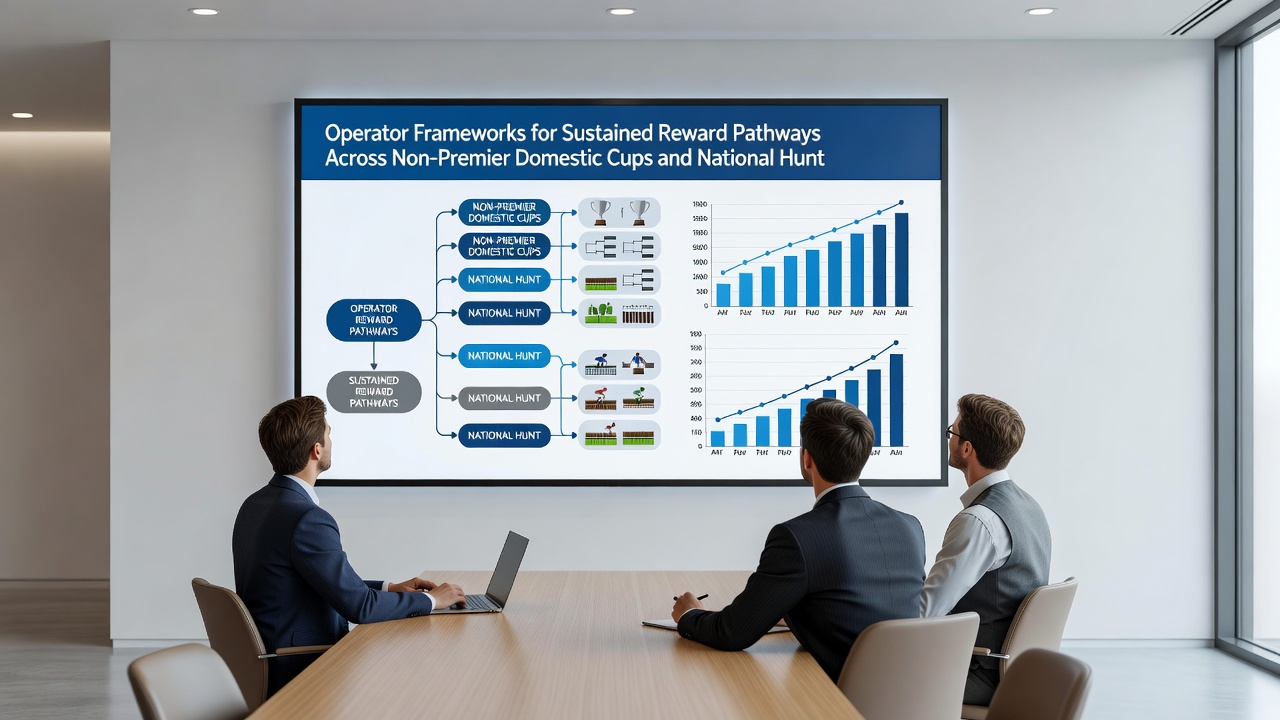
Observers note that novice circuit frameworks frequently incorporate risk-mitigation layers such as partial stake refunds on selected races and these layers activate when runners finish outside placed positions yet still meet distance or class criteria and the refunds convert into non-withdrawable credits that extend engagement across subsequent meetings.
Integration of Data and Compliance Tools
Operators integrate analytics platforms that monitor reward pathway performance across both football cups and novice racing and reports from the Nevada Gaming Control Board illustrate how transaction-level data informs the calibration of bonus caps and eligibility windows and this calibration occurs quarterly to reflect shifts in market activity.
Cross-vertical tracking allows operators to identify when participants move between cup betting and novice race wagers and the resulting profiles guide the deployment of targeted retention offers that maintain activity levels without breaching responsible gambling thresholds set by local authorities.
Conclusion
Operator frameworks for sustained reward pathways function through interconnected regulatory, mechanical, and data-driven components that span non-premier domestic cups and national hunt novice circuits and these components operate in coordinated sequences that adapt to calendar changes and participation patterns while remaining anchored to external compliance standards.