Decoding Personalized Incentive Models for In-Play Decisions in Team Ball Games and Equine Competitions
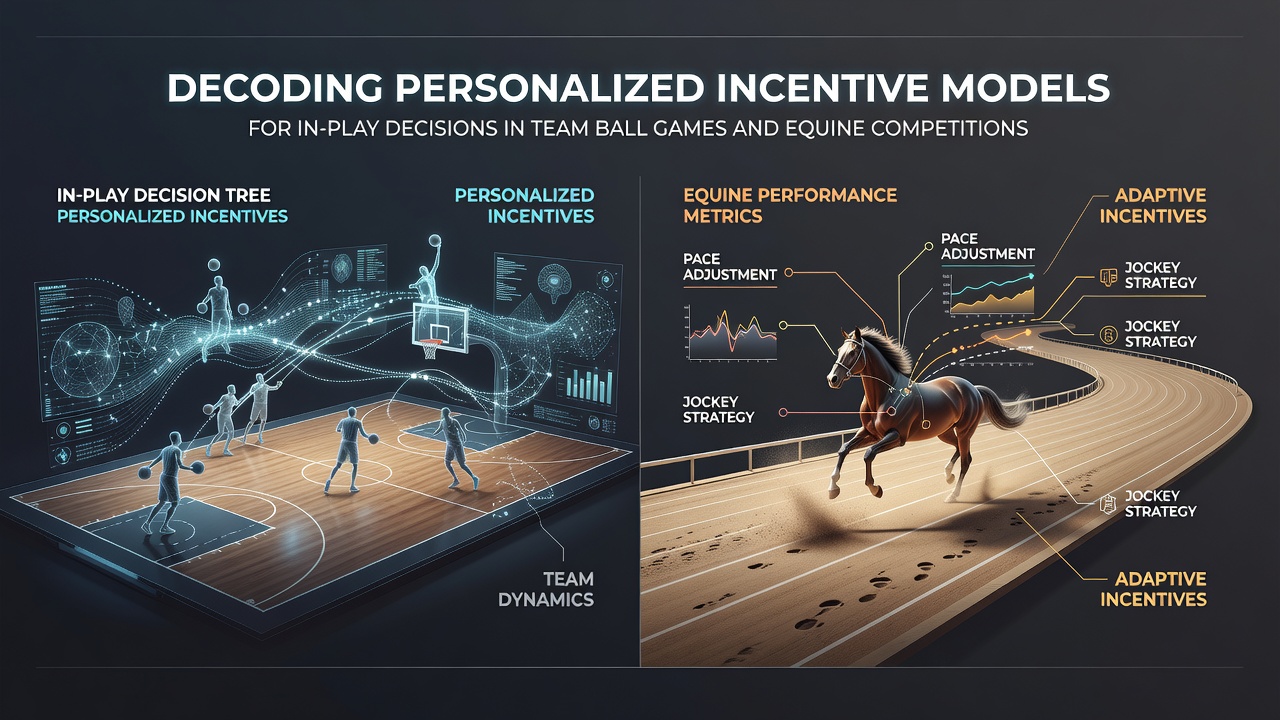
Personalized incentive models operate through algorithms that process real-time user data to adjust offers during live events, and researchers have documented their application across team ball games such as soccer and basketball alongside equine competitions like thoroughbred racing. These systems draw from behavioral patterns, wager history, and event-specific variables to generate tailored rewards that influence in-play choices, according to studies from the University of Nevada's gaming research division.
Core Mechanics of Personalization
Algorithms analyze inputs including bet frequency, stake sizes, and response times to previous promotions, while machine learning layers refine predictions about when a user might increase activity during critical moments such as a penalty shootout or the final furlong. Data indicates that platforms segment users into cohorts based on risk tolerance and engagement levels, then deploy incentives like dynamic cashback percentages or boosted odds that activate only under predefined conditions, and this approach allows operators to optimize retention without uniform offers across all participants.
Integration with live feeds enables adjustments mid-event, for instance when a team concedes an early goal or a favorite horse stumbles at the start, and observers note that such timing correlates with higher conversion rates because the offers align directly with unfolding drama. Regulatory frameworks in regions like Australia require transparency in how these models calculate eligibility, which has led operators to publish anonymized summaries of their segmentation criteria.
Application in Team Ball Games
In soccer and basketball, in-play decisions often hinge on momentum shifts, and incentive models respond by triggering micro-bonuses tied to specific scorelines or player substitutions. Figures from the European Gaming and Betting Association reveal that personalized reload credits appear more frequently during high-stakes league matches, where users receive offers calibrated to their historical preference for accumulator bets versus single outcomes. These models incorporate variables such as time remaining and current odds movement to present choices that feel immediate rather than generic.
Take the scenario of a basketball game entering overtime: systems detect users who previously engaged with live totals and may extend a small stake match or enhanced payout on the next basket, whereas casual participants receive simpler free bet fragments. This differentiation stems from decision trees that weigh lifetime value against short-term acquisition costs, and analysts at academic institutions have mapped how these trees reduce churn by matching reward type to observed risk profiles.
Equine Competition Adaptations
Horse racing presents distinct data points because races conclude quickly and feature fewer variables than continuous team sports, yet models still personalize through post-race cashbacks or enhanced each-way terms that activate for users showing loyalty to particular tracks or meeting types. Information from the Australian Racing Board indicates that incentives often reference photo-finish outcomes or trainer statistics pulled from integrated databases, allowing offers to appear within seconds of the result declaration.
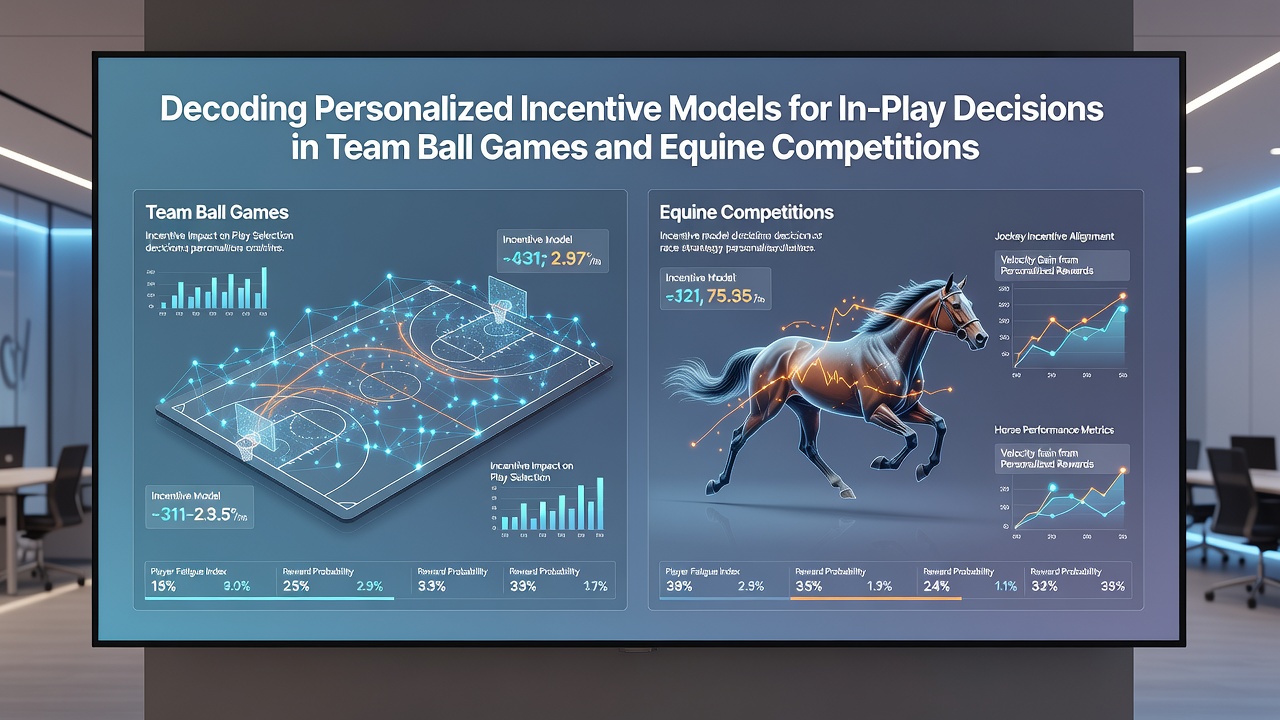
During multi-race cards in June 2026, operators have tested models that bundle equine incentives with concurrent ball game events, creating cross-sport accumulators where eligibility depends on combined activity thresholds. Such bundling relies on unified user profiles that track participation across verticals, and the resulting offers reflect both racing form data and football live betting patterns without requiring separate logins or accounts.
Data Sources and Algorithmic Layers
Real-time APIs feed event statistics into scoring engines that assign incentive values, while privacy-compliant data lakes store historical interactions to avoid repetition of ineffective promotions. Research published in the Journal of Gambling Studies demonstrates that models incorporating weather conditions for outdoor equine events or crowd noise levels for indoor ball games achieve marginally higher engagement metrics than those limited to transactional history alone. Operators therefore layer contextual signals on top of core behavioral data to refine accuracy.
Geolocation and device type further segment delivery channels, directing mobile users toward instant notifications while desktop participants receive in-browser pop-ups, and this channel optimization stems from A/B testing conducted across large user bases. External benchmarks from Canadian provincial regulators show that disclosure requirements around algorithmic fairness have prompted some platforms to simplify their incentive language for clearer user comprehension.
Decision Triggers and User Pathways
Users encounter these models through prompts that appear at decision points, such as when odds shift dramatically after a red card or a horse is scratched, and the system evaluates whether an incentive will convert hesitation into action. Pathways branch based on prior acceptance rates, so frequent claimers might receive smaller but more numerous offers while infrequent users see larger one-time rewards designed to re-engage them. This branching logic draws from reinforcement learning techniques that update continuously as new event data arrives.
Case examples documented by industry analysts include soccer matches where halftime incentives target users who paused betting after an early goal, and racing festivals where accumulated spend unlocks tiered rebates that scale with total turnover across the card. These pathways maintain consistency with responsible gambling parameters by capping offer frequency and value according to jurisdiction-specific rules.
Conclusion
Personalized incentive models continue to evolve through tighter integration of live data streams and user behavior analytics, shaping in-play decisions across team ball games and equine competitions in measurable ways. As platforms refine their segmentation and delivery methods, the underlying frameworks remain grounded in statistical modeling and regulatory compliance that prioritize both engagement and transparency. Observers tracking developments through 2026 note ongoing experimentation with cross-sport linkages and contextual triggers that keep these systems responsive to the pace of live events.