Decoding Loyalty Tier Triggers for Streak-Based Credit Releases in Midweek Digital Wagering Platforms
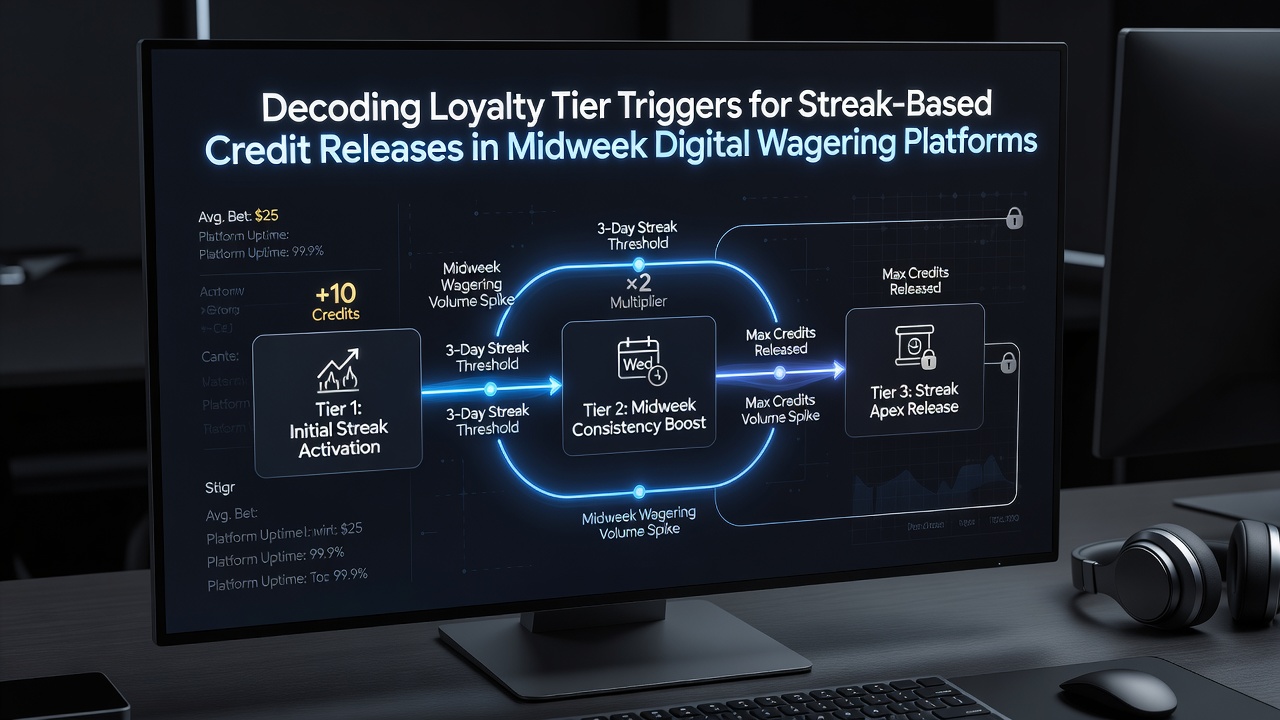
Digital wagering platforms have developed structured loyalty systems that tie user activity directly to tier advancement and credit distribution, with many operators focusing on midweek patterns to maintain consistent engagement. These programs track consecutive betting sessions, often called streaks, and release credits once specific triggers align with a user's current tier level. Observers note that midweek releases typically target Tuesday through Thursday activity because overall platform volume tends to dip compared to weekends, creating opportunities for targeted incentives that encourage regular participation.
Core Components of Tiered Loyalty Structures
Loyalty tiers usually progress through multiple levels, each requiring cumulative points earned from wagers placed, deposits made, and time spent on the platform. Higher tiers unlock faster credit releases and lower thresholds for streak completion, according to industry reports from the International Gaming Institute. A user at the entry tier might need five consecutive midweek sessions to qualify for a base credit, whereas an advanced tier could trigger the same release after three sessions because the system adjusts multipliers based on prior spending volume. Data indicates these adjustments help platforms retain users who demonstrate sustained midweek habits rather than sporadic weekend bursts.
Mechanics Behind Streak-Based Credit Triggers
Streak tracking operates on rolling windows that reset if activity gaps exceed 24 hours during the designated midweek period. Platforms monitor login frequency, minimum wager amounts, and sometimes specific game categories to validate each streak day. Once the required number of consecutive days registers, the system evaluates the user's tier and releases credits automatically, often within minutes of the final qualifying action. Research from the University of Nevada's gaming studies group shows that streak resets occur most commonly on Wednesdays, when users skip sessions due to midweek scheduling pressures, prompting operators to add buffer mechanisms like partial credit for near-misses in higher tiers.
Midweek Platform Dynamics and Release Patterns
Midweek digital wagering sees distinct usage curves, with many platforms reporting lower overall handle yet higher per-user session duration. Loyalty programs exploit this by setting streak triggers that align with typical Tuesday to Thursday login times, releasing credits that can be used immediately on live events or upcoming fixtures. Those who've examined platform analytics observe that credit releases peak between 8 PM and 11 PM local time on streak completion days, coinciding with evening user peaks. This timing allows credits to fuel additional wagers before the weekend surge begins, creating a feedback loop that benefits both the platform and active users.
Examples of Trigger Configurations Across Operators
One operator structures its bronze tier around four-day midweek streaks with a minimum daily wager of ten units, releasing a fixed credit amount upon completion, while its platinum tier reduces the streak to two days and adds a multiplier based on total points accumulated that month. Another platform incorporates deposit frequency into the streak calculation, so users who both wager and deposit on consecutive midweek days reach release thresholds faster. Figures from regulatory filings reveal that such layered triggers increase midweek handle by measurable margins, particularly when credits carry expiration windows that encourage quick redeployment rather than hoarding.
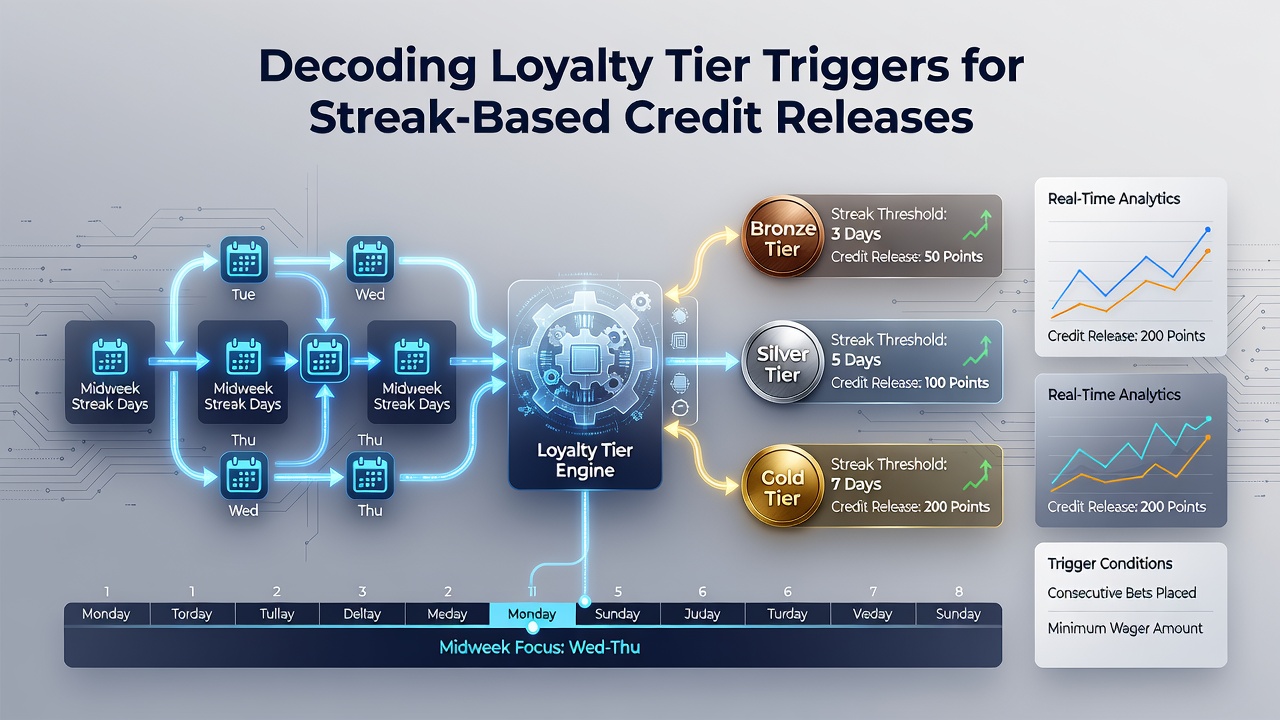
Additional variations include category-specific streaks where only sports or casino products count toward validation, and hybrid models that blend streak days with total points thresholds. Observers note these configurations adapt throughout the year, with adjustments appearing around major sporting calendars to maintain momentum during quieter periods.
Regulatory Considerations and Transparency Requirements
Operators must publish clear trigger criteria to comply with oversight from bodies such as the International Gaming Institute, which tracks how loyalty mechanics intersect with responsible gaming standards. In regions like Canada and parts of Europe, disclosure rules require platforms to state exact streak lengths, tier qualifications, and credit values before users opt in. Data from the Canadian Centre on Substance Use and Addiction highlights that transparent systems reduce user confusion around release timing and help prevent disputes over missed triggers. Platforms operating in June 2026 continue to refine these disclosures as new compliance frameworks emerge across multiple jurisdictions.
Conclusion
Loyalty tier triggers tied to midweek streaks represent a refined approach to sustaining engagement on digital wagering platforms, where credit releases depend on precise combinations of consecutive activity and tier status. These systems adapt through rolling windows, category rules, and multiplier adjustments that respond to observed usage patterns. As platforms evolve their mechanics, the emphasis remains on verifiable activity thresholds and automated distribution processes that align with both user behavior and regulatory expectations.